

E koekoe te tūi, e ketekete te kākā, e kūkū te kererū
The tūi chatters, the kākā cackles and the kererū coo’s
Photo by Richard Tully
Waiheke wildlife hub
Discover more about the unique and fascinating wildlife that inspires and drives all of the mahi dedicated to its protection.
-

Backyard Birding
Learn about Waiheke’s native birds with bird whisperer Tim Lovegrove, and how predator-free efforts help them thrive.
-

Waiheke Wildlife
Check out the gallery of Waiheke’s fascinating native species the communities working hard to protect.
-

Backyard Bugging
Discover how you can make a difference in your backyard with these informative and entertaining videos about the insect world.
-

Learn more videos
Learn how to make Wētā motels, learn about predator free initiatives and much more
Latest news
Stay updated with the latest news on Waiheke’s conservation efforts
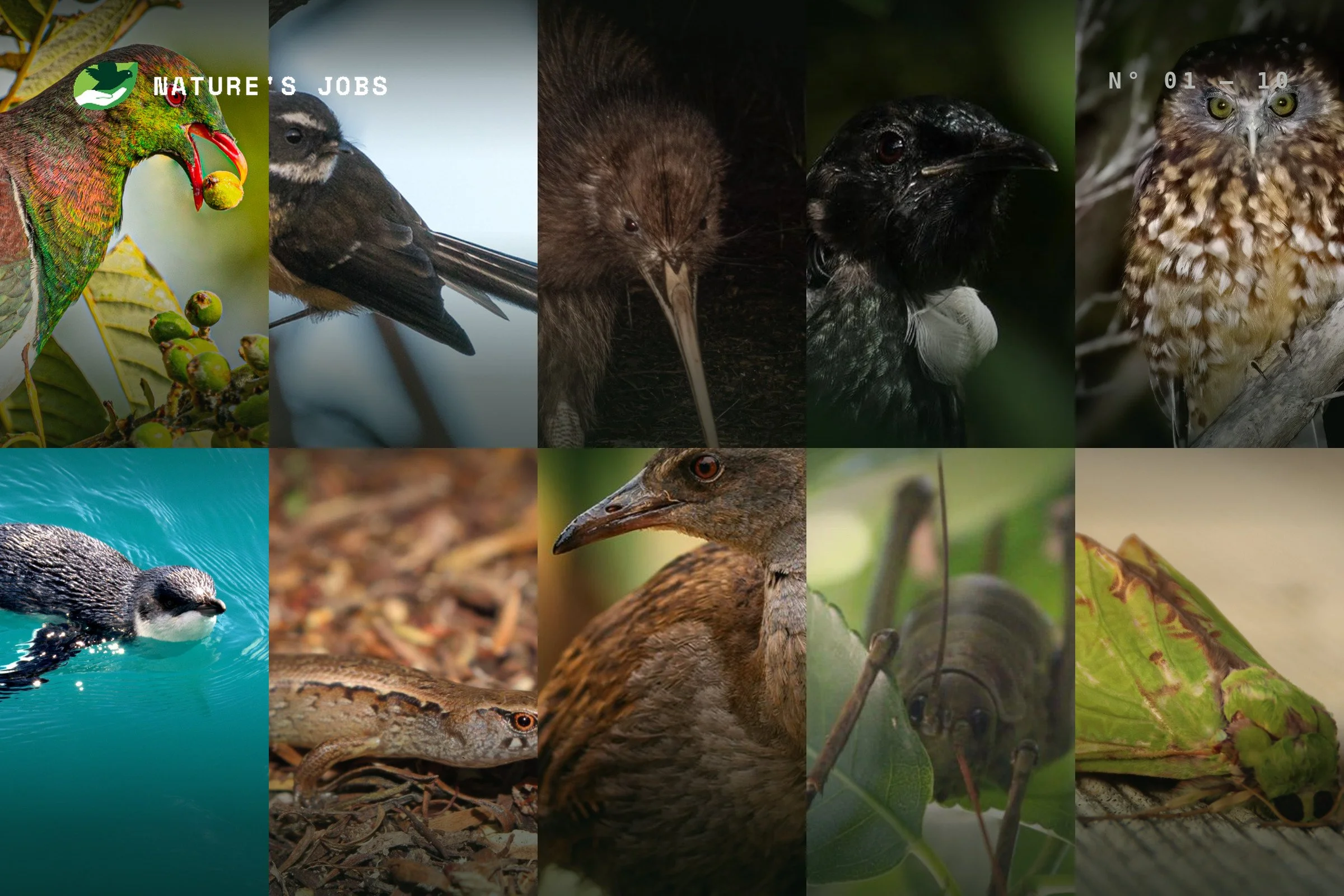
Nature's Jobs: meet the workforce keeping Waiheke running
Every native species has a role to play in a functioning ecosystem. Some spread seeds, some pollinate plants, some look after the soil, and others work the night shift keeping nature in balance. Most of this mahi goes unnoticed, but without these hardworking locals, our forests and wetlands simply wouldn't be the same.
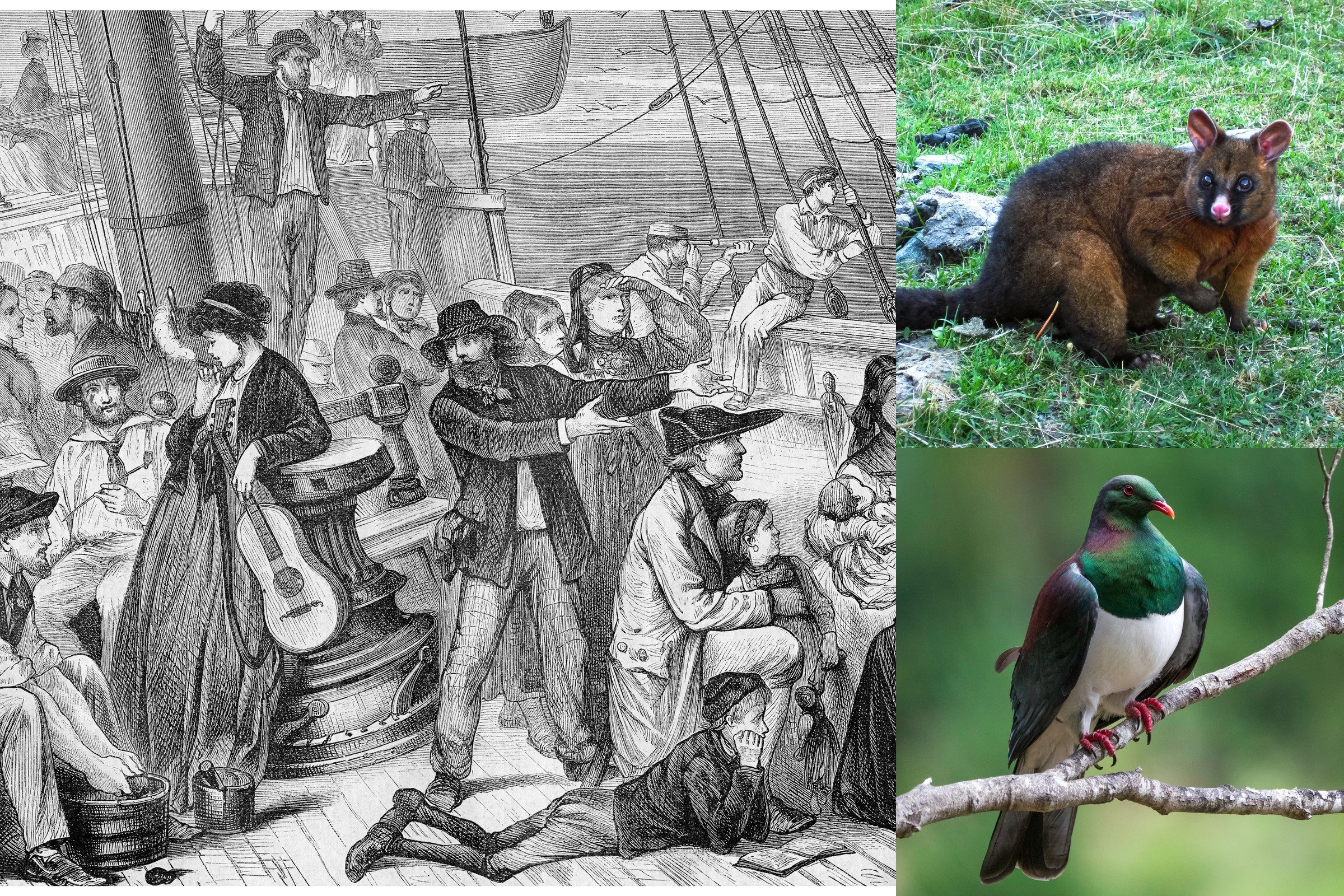
Tilde’s Talks - From Acclimatisation to Hope: Aotearoa's Conservation Story
Victorian settlers arrived in Aotearoa carrying deer, rabbits, possums and songbirds, convinced that a land without familiar game needed improving. Stoats followed, released to control the rabbits and within half a century, birds that had evolved here over millions of years were gone. Now, with the mahi of passionate and dedicated people, some of those species are being brought back from the brink. Let's go back through some of the history and attitudes that got us to this point.
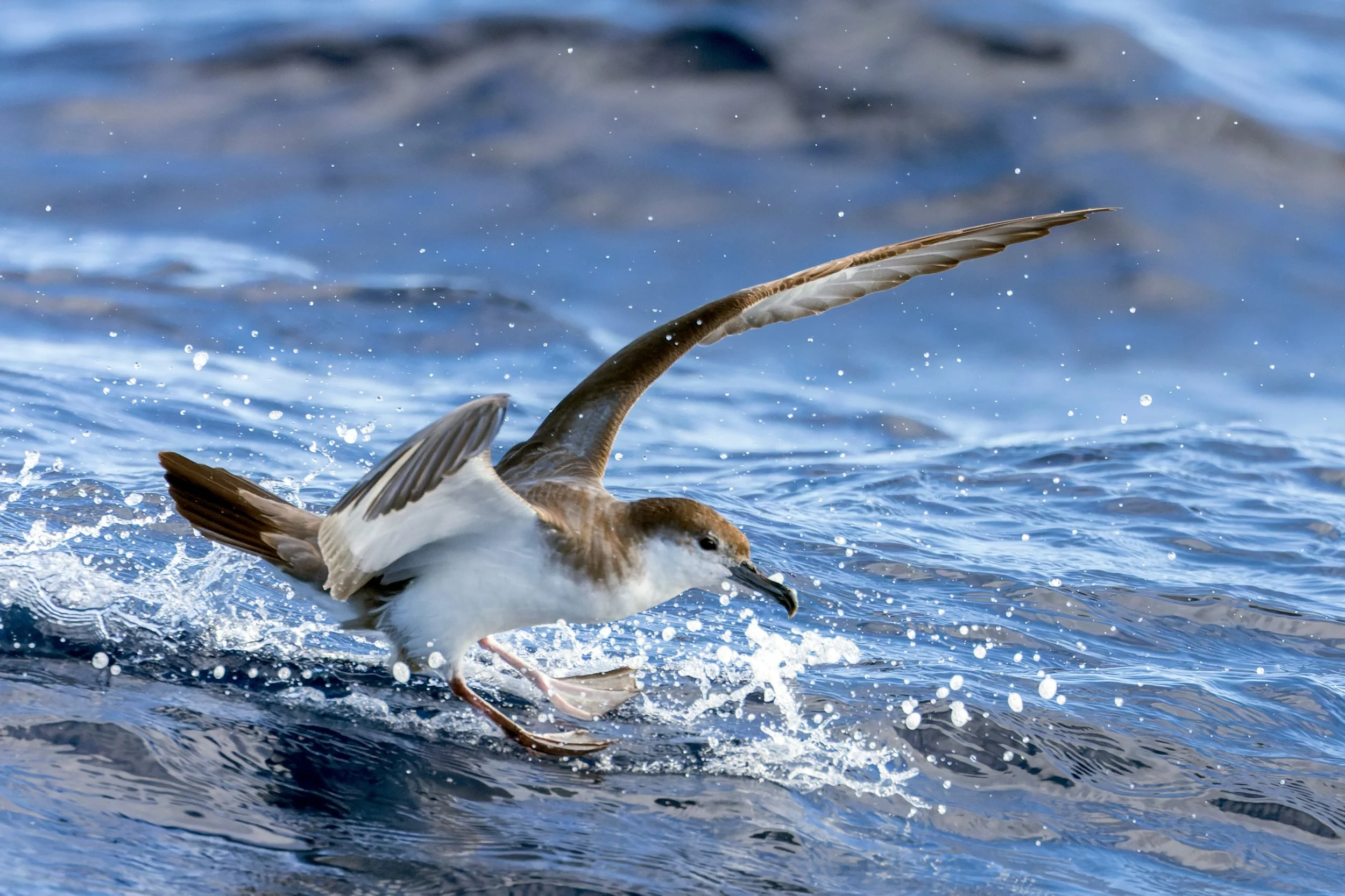
Aotearoa’s Seabird Superhighway: Meet the Pakahā and Rako (Fluttering and Buller’s Shearwaters)
Pakahā (fluttering shearwaters) and rako (Buller’s shearwaters) are among the Hauraki Gulf’s most abundant seabirds, often seen skimming low across the water or gathering in spectacular feeding flocks. These ocean wanderers play a vital role in linking marine and island ecosystems, transporting nutrients from sea to land and helping shape the health of coastal environments. Their story is a reminder that protecting seabirds means protecting both the places they breed and the oceans they depend on.
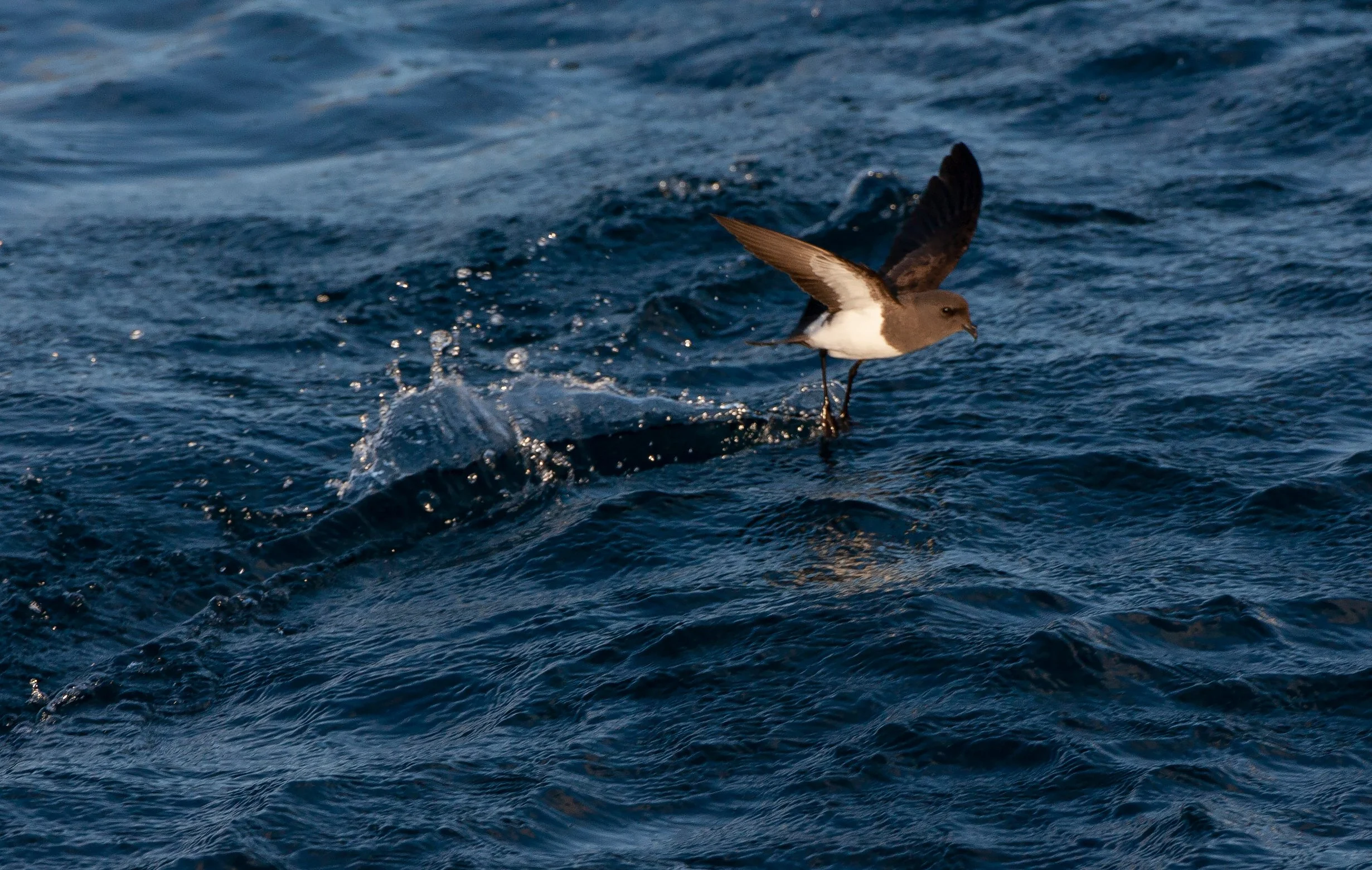
Aotearoa’s Seabird Superhighway: Meet the Takahikare Raro (New Zealand Storm Petrel)
The takahikare raro (New Zealand storm petrel) was thought to be extinct for more than 150 years until its remarkable rediscovery in the Hauraki Gulf in 2003. Today, this tiny seabird remains one of Aotearoa’s greatest conservation success stories, with ongoing monitoring suggesting signs of recovery. From a species believed lost forever to a symbol of hope for seabird conservation, its story highlights the importance of predator-free breeding habitats and the globally significant role of the Hauraki Gulf.
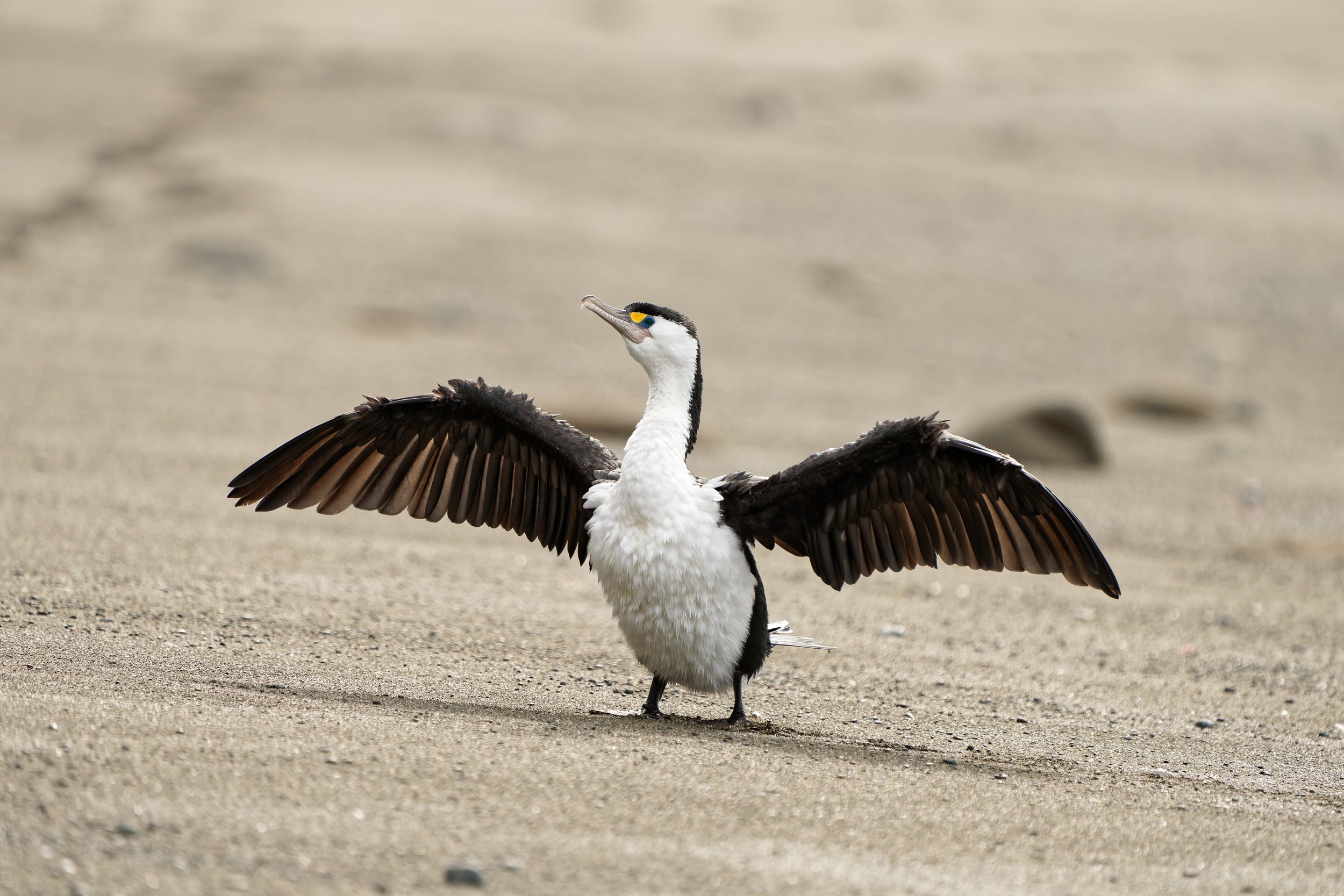
Aotearoa’s Seabird Superhighway: Meet the Kāruhiruhi (Pied Shag)
Sleek, sharp-eyed, and often misunderstood, the kāruhiruhi (pied shag) is one of the Hauraki Gulf’s most skilled underwater hunters. But beyond their familiar wing-drying pose lies a deeper story, one shaped by changing coastlines, long-held myths, and the important role seabirds play in linking ocean ecosystems to life on land.
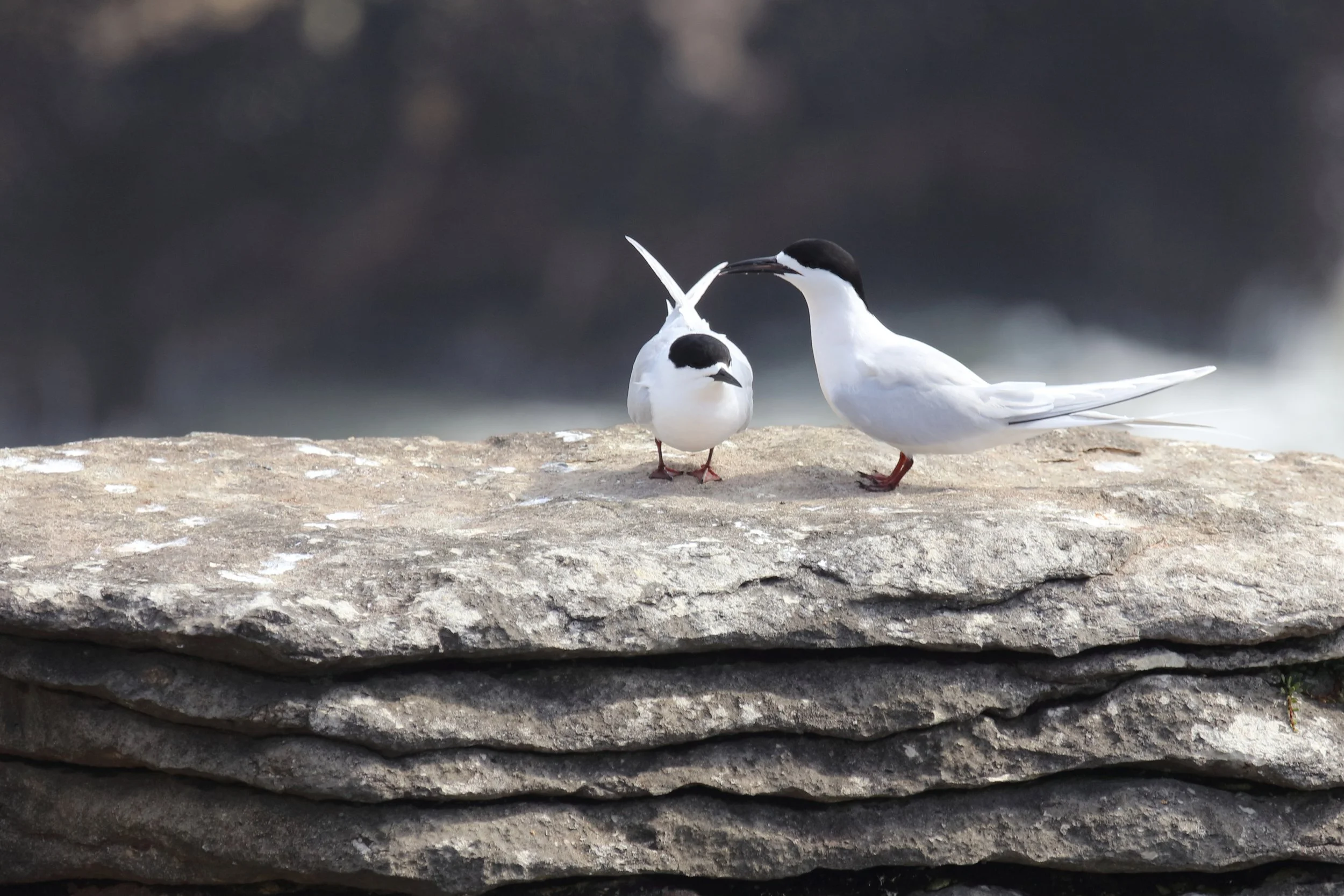
Aotearoa’s Seabird Superhighway: Meet the Tara (White-fronted tern)
Fast-moving, agile, and closely tied to the coastline, the tara (white-fronted tern) is one of the Hauraki Gulf’s most familiar seabirds. But behind the graceful dives and flashes of white wings lies a deeper story, one shaped by changing oceans, vulnerable nesting sites, and the delicate balance between sea and shore.
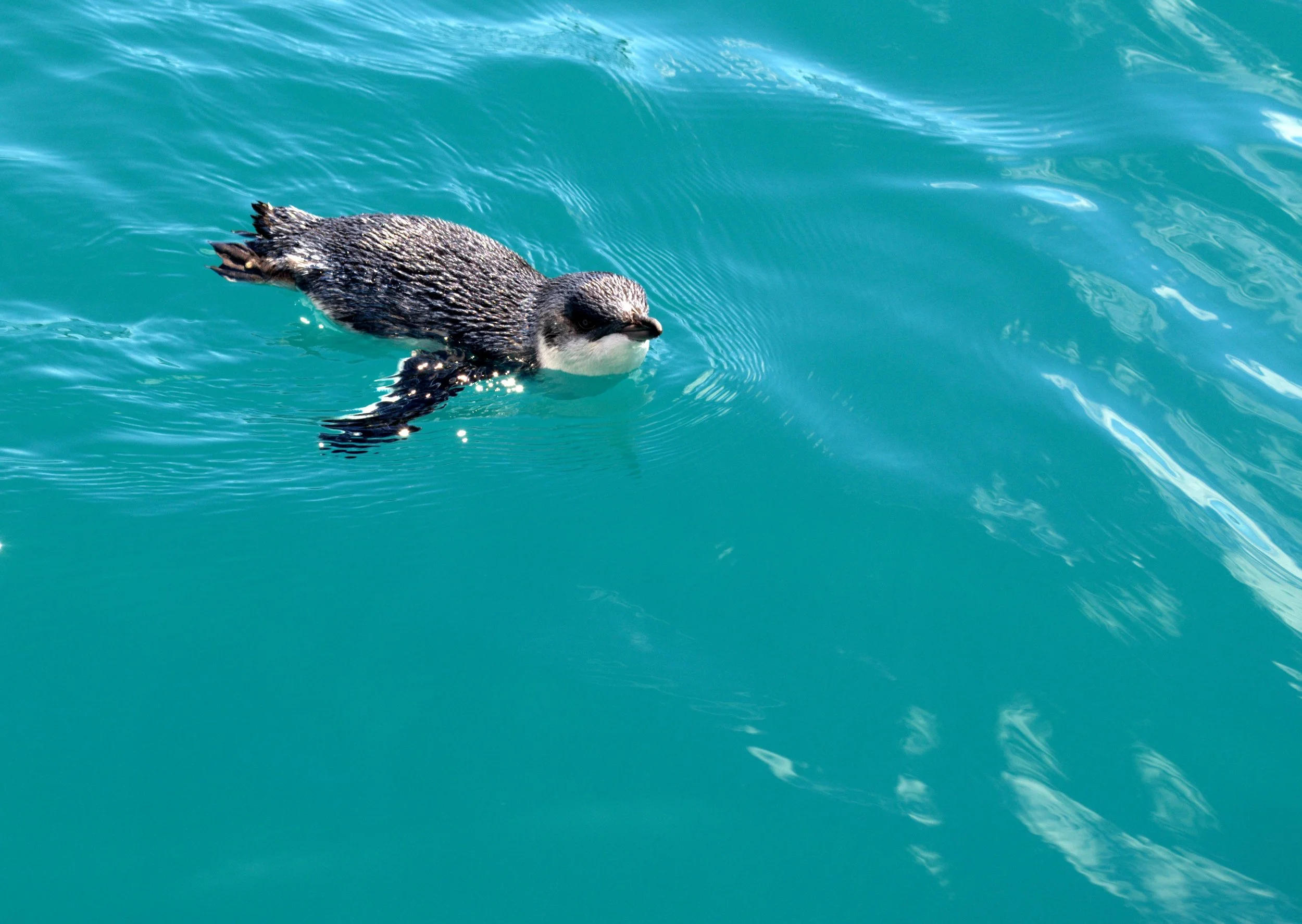
Aotearoa’s Seabird Superhighway: Meet the Kororā (Little Blue Penguin)
Small, secretive, and active mostly after dark, the kororā (little blue penguin) lives surprisingly close to us, yet much of its life goes unseen. From predators on land to pressures along our coastlines, these tiny seabirds reveal just how fragile the space between sea and shore can be.
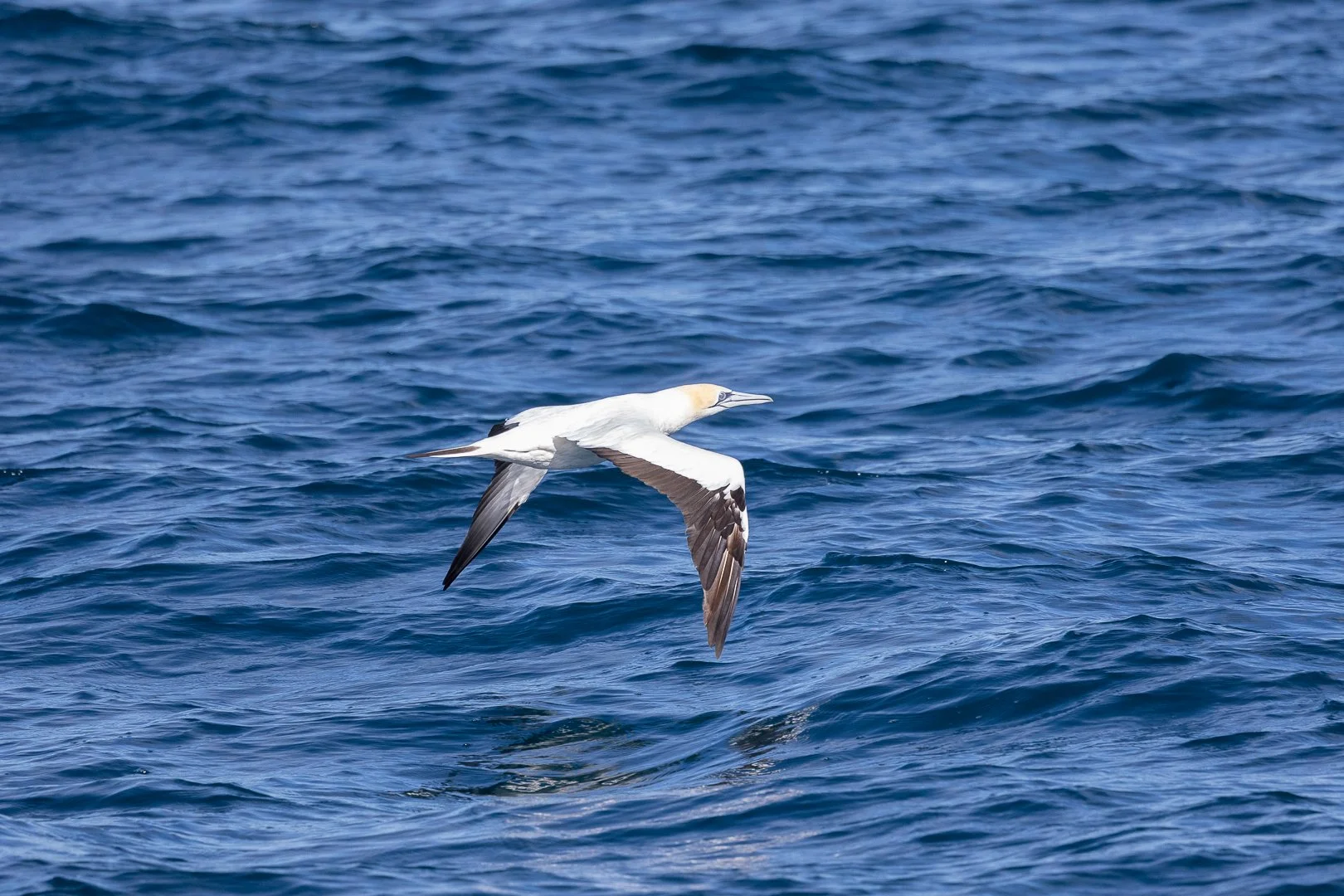
Aotearoa’s Seabird Superhighway: Meet the Tākapu (Australasian Gannet)
Graceful above the waves and relentless beneath them, the tākapu (Australasian gannet) is one of the Hauraki Gulf’s most iconic seabirds. But behind the spectacle lies a deeper story — one of shifting food webs, changing ocean conditions, and the pressures these birds face both at sea and on land.
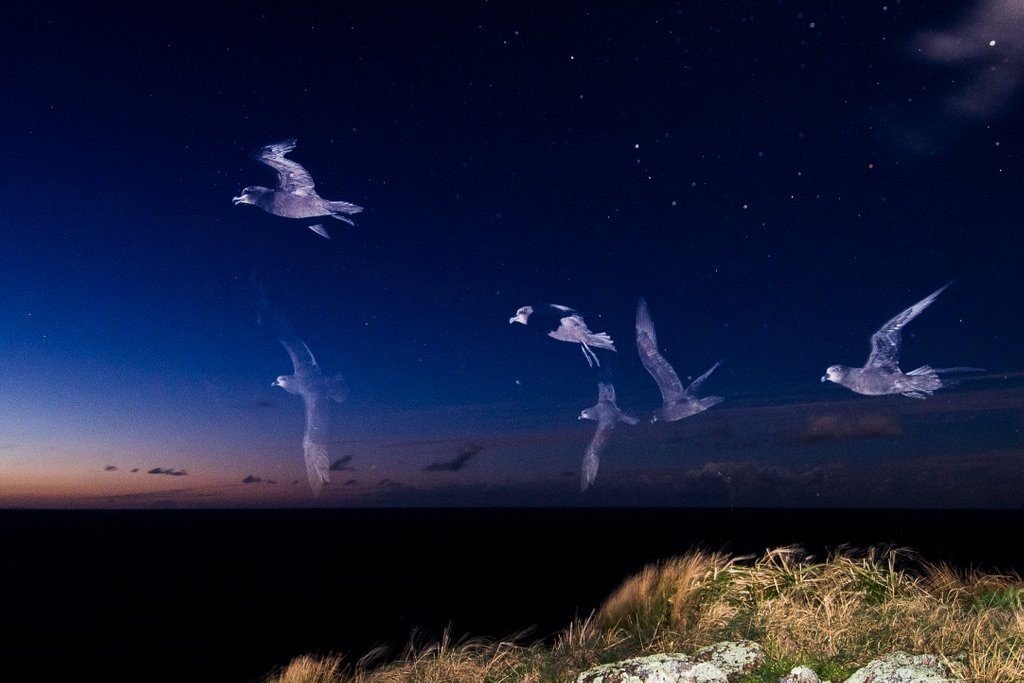
Aotearoa’s Seabird Superhighway: Meet the Ōi (Grey-faced Petrel)
The Hauraki Gulf is one of the world’s most important seabird regions — and many of its residents are rarely seen. The Ōi (grey-faced petrel) spends most of its life far out at sea, returning only at night. You’re more likely to hear it than see it — a haunting call drifting through coastal forest after dark. Out of sight, but quietly shaping the ecosystems around us.
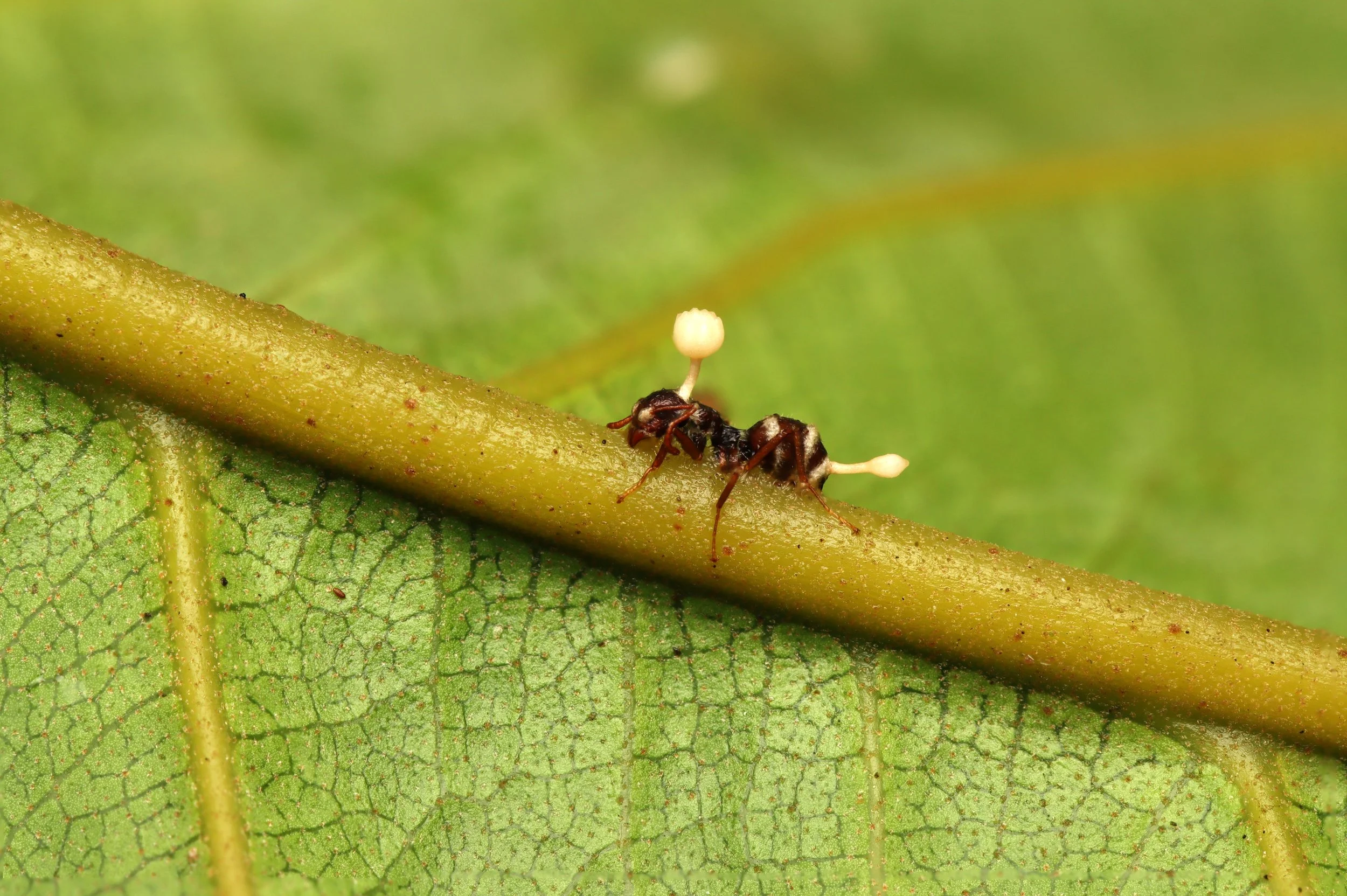
Tilde’s Talks - The zombie makers: Cordyceps and their insect hosts
What if a fungus could take control of an insect’s body and force it to climb to the perfect place to spread its spores? Cordyceps might sound like science fiction, but these real-life “zombie” fungi are quietly at work in forests around the world—including here in Aotearoa New Zealand.

Learn new outdoor skills and gain NZQA qualifications
Keen to build practical outdoor skills, gain NZQA qualifications, and be part of protecting taonga species? Te Korowai o Waiheke is offering a limited opportunity for Ngāti Paoa whānau to train in predator trapping and outdoor first aid — with hands-on, paid experience alongside our Waiheke trappers. Spaces are limited, so don’t miss your chance to learn, connect, and make a real difference. For details - read more below.
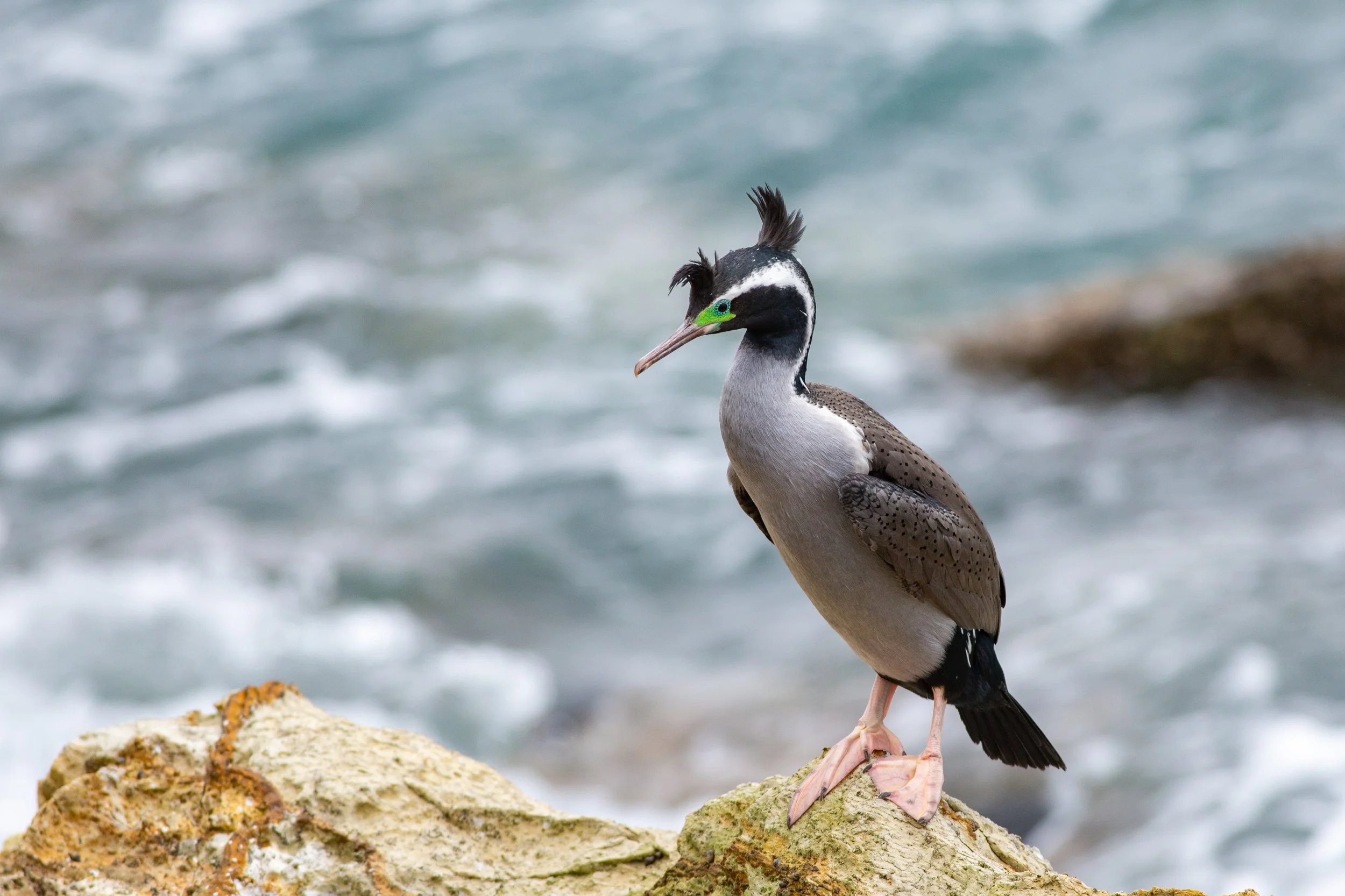
Aotearoa's Seabird Superhighway: Meet the Kawau tikitiki (Spotted shag)
You're sailing on a globally significant seabird superhighway right here in the Hauraki Gulf. Aotearoa hosts a staggering one-third of the world's seabirds, and this Gulf is their critical sanctuar, home to five species found nowhere else, including the world's rarest bird, the endangered tara iti (NZ fairy tern), and the Takahikare raro (NZ storm petrel), famously rediscovered after being thought extinct. But these avian treasures are facing an unseen crisis: our elegant commuters, the Kawau tikitiki (Spotted shag), are declining by a shocking 6% per year. They are the canary in the coalmine, and what happens to them signals a critical change in our marine ecosystem. Read the full story to meet these birds and discover why their survival depends on us.

Backyard Birding Photo Competition
Check out some of the beautiful photographs from past years - in the galleries below
It will take everyone working together to make Waiheke predator-free. Learn all about the Whānau!